
From Sasha P to Fimi: Nigeria’s Female Rappers Are Still Fighting for Space

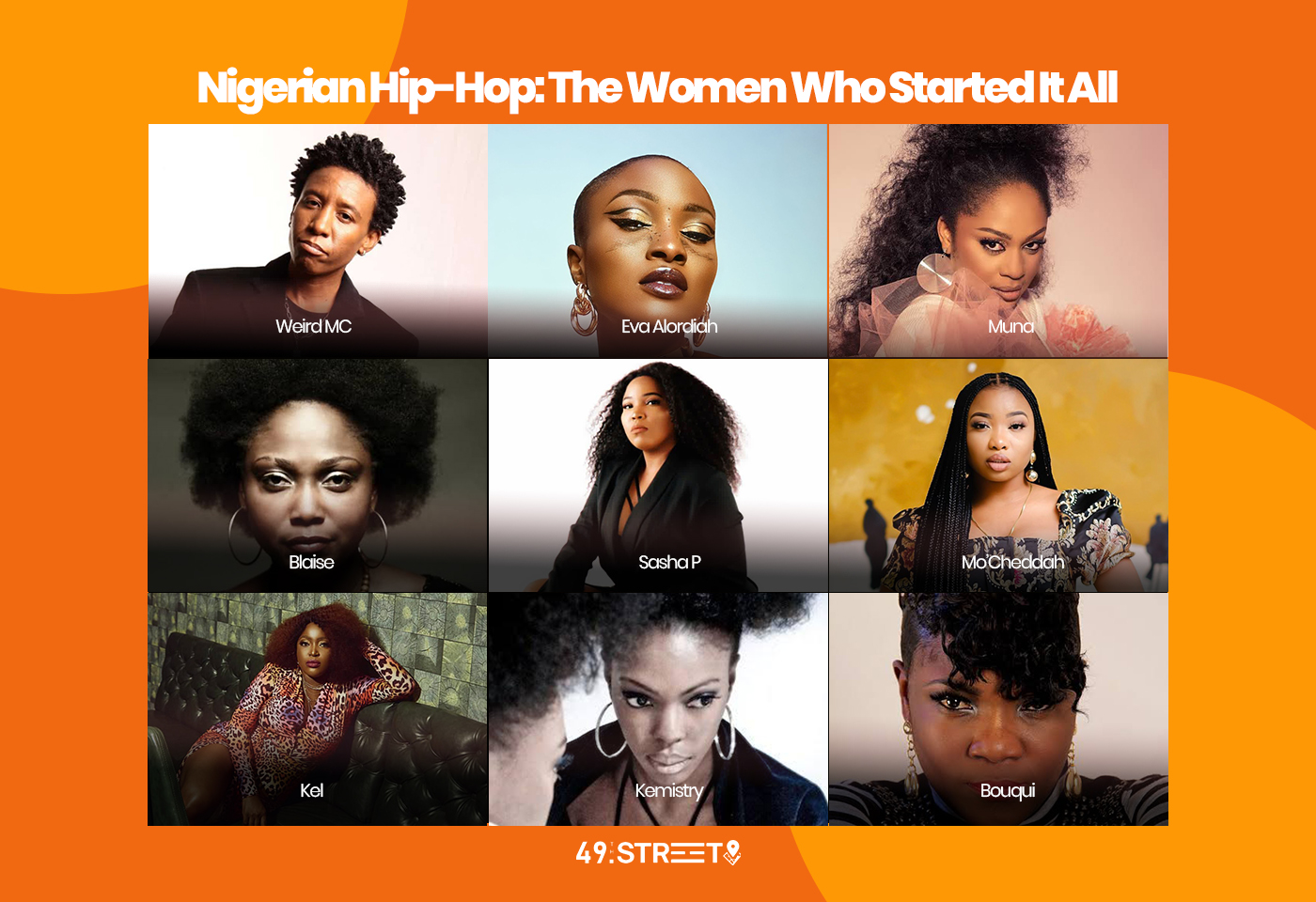 Across Africa, music genres rooted in local street culture are claiming global attention. South Africa’s Amapiano is lighting up dance floors from Johannesburg to Tokyo. Ghana’s Asakaa Drill is shaping youth identity in Kumasi and beyond. Kenya’s Gengetone is raw, unapologetic, and giving voice to Nairobi’s street youth.
But Nigeria—a country globally recognized as Africa’s music powerhouse—is not amplifying its female rap voices.
Despite the massive success of Afrobeats, Nigeria’s rap scene, especially for women, remains neglected and under-promoted. While talents like Fimihan Uthman Akinola, popularly known as Fimi, are dropping confident freestyles and sharp lyrics on TikTok and Instagram, they remain largely invisible in mainstream radio, television, and festivals.
Fimi’s flow is tight. Her sound is fresh. And yet, her presence in the mainstream is close to nonexistent.

Nigerian Rapper Fimi
From Sasha P to Fimi: The Industry Still Isn’t Ready for Women Who Rap
The struggle Fimi faces is not new. In the 2000s, artists like Sasha P, Blaise, and Eva Alordiah defied norms and energized the scene with powerful bars. But despite their lyrical excellence and early buzz, the industry failed to back them with sustained marketing or label support. Their careers fizzled out while Afrobeats male stars soared.
The truth? Nigerian music gatekeepers—labels, promoters, and media houses—have rarely made space for female rappers. They expect women to sing sweetly, not challenge the status quo with verses. Rap is still seen as “too aggressive”, too risky to market, especially when it comes from women who aren’t conforming to the industry’s expectations of femininity and appeal.
Some argue that Nigerians prefer danceable hits. However, this theory falls apart when considering how Nigerian fans enthusiastically stream foreign rappers like Nicki Minaj, Cardi B, Kendrick Lamar, and Drake.
So, the real issue isn’t love for rap. It’s a system that refuses to invest in homegrown female rap, fearing it won’t be profitable.
Fimi and her peers are building followings online, but TikTok success doesn’t pay the same bills as mainstream record deals, endorsements, or arena bookings. As long as the industry keeps its focus narrow, these brilliant voices remain locked in the underground, or worse, exported to audiences abroad.
It’s time for a reset. Nigeria doesn’t lack female rap talent. It lacks the infrastructure to support it.
The question is no longer “Can women rap?” It’s “Will the industry let them rise?”
Until then, Nigeria risks losing its best female lyricists to foreign markets—another cultural export claimed only after it’s validated abroad.
By Rehema Ravoga Musoma, Betueli John, Chavani Ripfumelo, Netbuzz Radio
LATEST NEWS



AFRICA NEWS & POLITICS

More News

-
 Sarkodie – Can’t Let You Go ft. King PromiseAugust 15, 2018
 -
 Album: Sarkodie – HighestSeptember 10, 2017
 -
 DJ Jaydee drops Urban Mix (Afrobeats) MixtapeFebruary 15, 2018